
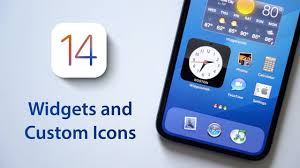
In today’s device-centered world, our smartphones, tablets, and computers act as extensions of our personalities and daily habits. Nearly everything we do—communicating, working, planning, organizing, learning, relaxing, and creating—flows through a digital interface. As a result, users increasingly want their devices to feel personalized, intuitive, and reflective of their identities. This is why customizable home screens have become one of the most beloved and sought-after features across modern operating systems.
From custom widgets and wallpapers to rearranging app icons, adjusting themes, or redesigning entire layouts, the desire for a personalized digital environment continues to grow. A customizable home screen is more than a stylistic preference—it influences productivity, emotional comfort, digital wellness, and even how efficiently we navigate daily routines.
This article explores why people like customizable home screens, the psychology behind personalization, the practical advantages, and how this trend is shaping the future of digital interfaces.
1. The Deep Psychological Appeal of Personalization
Humans have always personalized the spaces they occupy. We decorate bedrooms, arrange desks, customize cars, choose clothes that match our style, and curate aesthetics in physical environments. In the digital era, the home screen serves as a similar personal space.
1.1 A Sense of Ownership
Customizing a home screen creates a heightened sense of ownership. When users can modify:
- Layouts
- Colors
- Widgets
- Shortcuts
- Themes
- App groups
they feel that the device truly belongs to them—not just a mass-produced product everyone uses.
This emotional ownership boosts satisfaction and deepens connection with the device.
1.2 Identity Expression
Home screens have become a form of self-expression. Users enjoy reflecting their personalities through:
- Wallpaper styles (minimalist, aesthetic, bold, colorful, artistic)
- Icon packs (retro, neon, flat, playful, monochrome)
- Layout structure (organized vs. chaotic, simple vs. detailed)
Just like fashion or interior décor, home screens allow individuals to curate a visual identity that matches their mood, preferences, and lifestyle.
1.3 Comfort Through Familiarity
A personalized environment feels comforting and familiar. When users set up their home screens with:
- Their favorite photos
- Preferred colors
- Widgets that show meaningful information
the device becomes inviting—something they enjoy returning to.
This sense of comfort is especially strong for people who spend hours each day on their devices.
2. Practical Benefits That Improve Daily Productivity
Customization isn’t only about aesthetics. People also like customizable home screens because they increase efficiency and reduce friction in daily tasks.
2.1 Faster Access to Important Apps
When users can rearrange app icons and place the most frequently used ones front and center, navigation becomes significantly faster. This saves:
- Time
- Cognitive effort
- Unnecessary scrolling
- Repetitive searching
Over months and years, these time savings become substantial.
2.2 Widgets Deliver Information Instantly
Home screen widgets display valuable information at a glance, such as:
- Weather
- Calendar events
- To-do tasks
- Reminders
- Notes
- Fitness statistics
- Smart home controls
This eliminates the need to open multiple apps, reducing micro-delays and making the device feel more efficient.
2.3 Reduced Screen Clutter
Customization helps people organize digital spaces to match how their brains work. For example:
- Minimalists can hide rarely used apps
- Productivity-focused users can create focused home screens
- Students can set up dedicated academic layouts
- Work professionals can prioritize business tools
A decluttered home screen improves focus and reduces decision fatigue.
2.4 Personalized Shortcuts Improve Workflow
Customizable home screens allow users to:
- Create shortcuts to specific app features
- Launch workflows with one tap
- Access automation tools
- Use gesture actions
These micro-automations help streamline daily routines.
3. Emotional Satisfaction and Motivation
Beyond utility, customizable home screens provide emotional and motivational benefits that enhance daily digital interactions.
3.1 Inspiration Through Aesthetic Design
When the home screen looks visually pleasing, users often feel more motivated to stay organized, productive, or calm. A beautiful interface can:
- Brighten mood
- Spark creativity
- Reduce stress
- Make digital interactions enjoyable
This is similar to how a clean, aesthetically pleasing workspace boosts mental clarity.
3.2 Seasonal and Mood-Based Customization
People enjoy updating their home screens for:
- Holidays
- Seasons
- Personal milestones
- Current emotions or artistic interests
This dynamic aspect keeps the device feeling fresh and exciting, preventing digital fatigue.
3.3 A Sense of Control
Customizing a home screen gives users a sense of control over their technology. In a world where algorithms, systems, and apps often automate choices, customizing the interface reminds users that they can shape their digital environment.
This empowerment enhances satisfaction and reduces the feeling of digital overwhelm.
4. Supporting Digital Wellness
Modern devices are central to everyday life, but they also contribute to distraction and overstimulation. Customizable home screens can help create healthier digital habits.
4.1 Focus-Oriented Layouts
Users can create home screens that support focus, such as:
- A minimalist home page with only essential apps
- Widgets for reminders or digital wellbeing tools
- Removing distracting apps from the front screen
This helps reduce:
- Impulse scrolling
- Unnecessary notifications
- Time-wasting behavior
4.2 Encouraging Productive Routines
Home screens can be structured to support daily goals:
- A “Morning Routine” screen with weather, calendar, and tasks
- A “Work Mode” layout with productivity apps
- A “Health and Wellness” page with fitness tools and meditation apps
Customizing home screens creates intentional digital spaces aligned with personal aspirations.
4.3 Reducing Anxiety Through Organization
A messy home screen can create subconscious stress. Orderly layouts help users feel:
- More in control
- Less overwhelmed
- Better organized
This simple visual organization improves overall digital wellness.
5. Improved Usability for Different User Needs
People prefer customizable home screens because they can be adapted to unique needs, abilities, and lifestyles.
5.1 Accessibility Enhancements
Users with different accessibility requirements can tailor:
- Icon sizes
- Widget arrangements
- Color contrasts
- Screen brightness
- Gesture settings
Customization helps ensure the device is comfortable and easy to use for everyone.
5.2 Adaptation to Work, Hobbies, and Daily Life
Different users require different tools. Home screen customization enables:
- Gamers to highlight game launchers and social tools
- Students to prioritize notes, reading apps, and calendars
- Professionals to focus on email, documents, and meetings
- Creators to emphasize editing tools and cloud storage
The device adapts to the user—not the other way around.
5.3 Multidevice Integration
Home screens can include shortcuts to sync with:
- Smart home devices
- Wearables
- Work computers
- Cloud drives
- Media devices
This blended ecosystem creates seamless daily workflows.
6. Community Influence and Social Sharing
Customizable home screens have become a cultural trend, especially among younger generations.
6.1 Sharing Aesthetic Setups
Platforms like:
- TikTok
- YouTube
are filled with home screen designs, tutorial videos, icon packs, and customization ideas. People enjoy showing off their unique setups and discovering others’ creations.
6.2 Inspiration and Creativity
The customization community encourages creative expression by providing:
- Color palettes
- Widget recommendations
- Layout inspiration
- Seasonal themes
- Aesthetic styles (pastel, neon, vaporwave, minimal, nature-inspired, etc.)
This constant stream of inspiration motivates people to refresh and evolve their home screens.
6.3 Digital “Makeover” Trends
Every few months, a new viral trend pushes users to redesign their screens. These trends create excitement around device customization and strengthen the cultural popularity of personalized home screens.
7. Technological Trends Making Home Screens More Customizable
Recent advancements have made home screens more flexible than ever.
7.1 Widget Innovation
Widgets have evolved into dynamic, interactive tools that can display:
- Live activity tracking
- Smart AI summaries
- Real-time updates
- Personalized recommendations
More powerful widgets make home screens more functional.
7.2 AI-Driven Personalization
Modern systems use AI to recommend layout ideas, app organization, theme changes, and widget configurations based on:
- Behavior patterns
- Daily routines
- Time of day
- Location
- Preferences
This personalization makes home screens feel smarter and more intuitive.
7.3 The Rise of Theme Packs and Icon Packs
Digital marketplaces now offer:
- Custom icon designs
- Color themes
- Widget styles
- Aesthetic bundles
This gives users nearly endless creative freedom.
7.4 Custom Launchers and UI Overlays
Android launchers and system UI modifications allow:
- Completely redesigned interfaces
- Unique page transitions
- Advanced app grouping
- Widget stacking
- Custom gestures
These tools expand customization beyond default operating system features.
8. Future of Home Screen Personalization
As technology continues to evolve, home screens will become even more customizable and intelligent.
8.1 Adaptive Layouts
Home screens may update automatically based on:
- Time of day
- Location
- Activity (work, driving, relaxing)
- Focus mode
- Task lists
For example, a morning routine screen could appear upon waking, while a work layout activates at office hours.
8.2 AI-Generated Themes
Future devices may generate personalized:
- Wallpapers
- Color schemes
- Icon designs
- Widgets
based on the user’s mood, behavior, and aesthetic tastes.
8.3 More Interactive Widgets
Widgets may evolve into mini-apps capable of:
- Performing advanced tasks
- Integrating with more services
- Offering adaptive intelligence
- Replacing full app experiences
8.4 Cross-Device Synchronization
As ecosystems grow, users may create unified home screens across:
- Phones
- Tablets
- Laptops
- Smart TVs
- Wearables
- VR/AR devices
This continuity will make personalization feel more natural across all technology.
Conclusion
People like customizable home screens because they blend personality, productivity, comfort, and creativity into a single digital space. Customization turns a standard device into a personalized environment that aligns with individual habits, styles, and goals. Whether it’s expressing identity through aesthetics, improving efficiency through widgets and shortcuts, enhancing digital wellbeing, or simply making daily interactions more enjoyable, customizable home screens empower users to shape their digital worlds according to their preferences.
As technology continues advancing with smarter widgets, AI-powered personalization, and dynamic layouts, customizable home screens will play an even more important role in making devices feel intuitive, meaningful, and uniquely our own.
Leave a Reply