
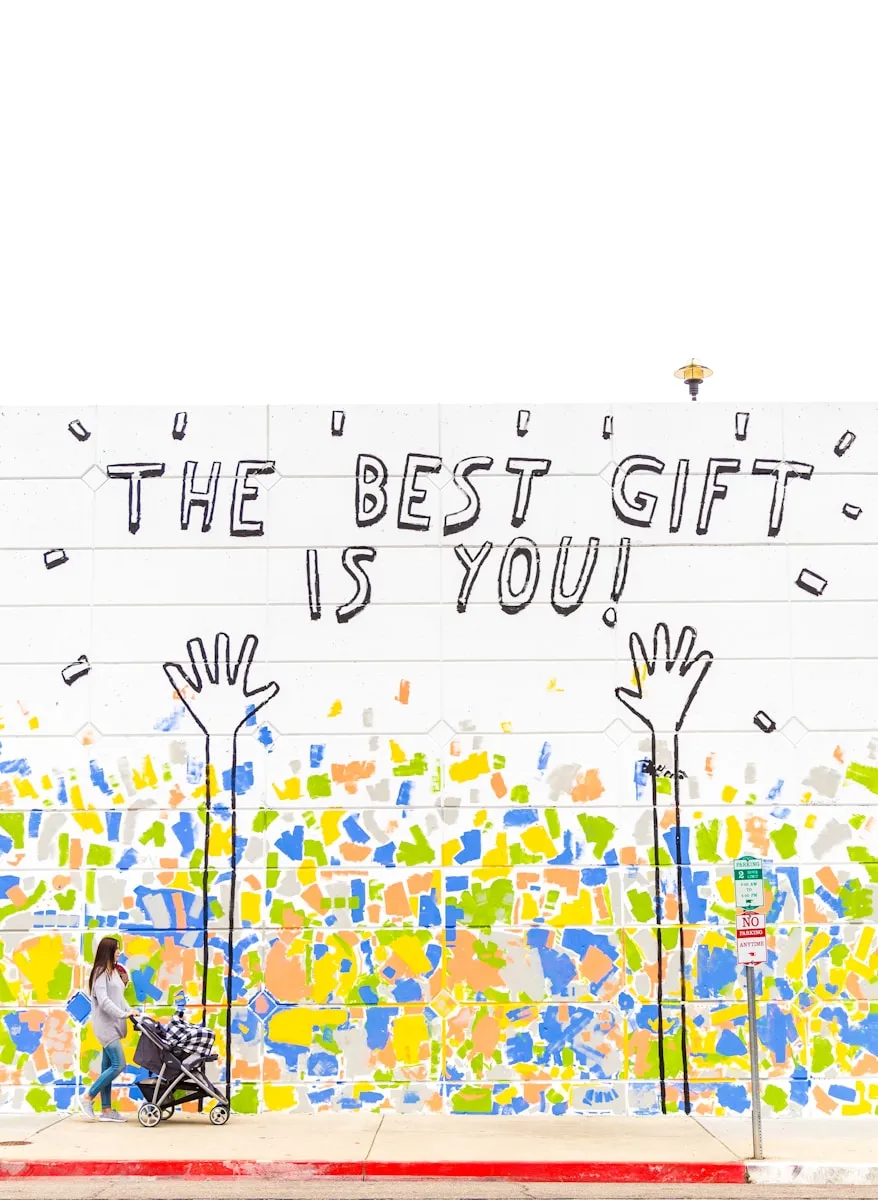
Have you ever wondered why some people chase challenges more than others, diving headfirst into tricky situations when others step back? For many, chasing tough moments is a way to prove their own worth or feel special among friends, family, or at school.
Why some people chase challenges more than others often comes down to how they see themselves inside. Some believe overcoming hard things means they are good enough, while others might be searching for approval. But sometimes, the real magic is in knowing you’re worthwhile just as you are. Isn’t it interesting how the need to win or be first can feel like climbing a never-ending mountain? Let’s walk through the ‘why’ and ‘how’ behind this chase, together.
External Chase for Worth
People often want to feel important and valuable, but the way they try to achieve this feeling sometimes comes from outside themselves. This is called the external chase for worth, where we look for approval, likes, awards, or even new things to feel good about who we are. Chasing worth in this way may give happiness for a short while, but it can make us feel tired and stuck in a cycle of wanting more. It’s easy to get caught up in what others think, forgetting that real worth comes from inside, like being kind and trying our best.
Society and Achievement Culture
In school and in our neighborhoods, people often cheer for those who win awards, get top grades, or seem busier than everyone else. This focus on achievement can make anyone feel left out or not good enough if they aren’t first or the best at something. Kids may start believing that only those with trophies or praise are important, which isn’t true at all. Real achievement is about doing your personal best and learning new things, no matter if you get a shiny medal or not. When families and teachers celebrate effort and kindness just as much as winning, everyone feels more confident and happy.
Social Media and Comparisons
Scrolling through social media, it looks like others have perfect lives full of fun, friends, and cool stuff. This makes it easy to compare ourselves and feel like we’re missing out. These apps use lots of bright pictures and bold words like “top influencer” or “most loved,” making people want to copy what’s popular, which can affect how we feel about ourselves.
Some ways to feel better are to limit screen time, follow pages that focus on real stories, and remember that everyone has ups and downs-even if they don’t post about them. Building self-esteem away from screens is important because real life is more than likes and filters. Try out these steps to feel good in your own skin:
- Spend time doing your favorite hobbies without posting online.
- Talk with friends and laugh in real life.
- Write down what makes you proud of yourself each week.
Conditional Self-Worth and Validation
Sometimes people feel good about themselves only if others praise them or they do something really well. When self-worth depends on getting approval or meeting certain standards, it is called conditional self-worth. This way of thinking can lead to feeling anxious or not good enough, especially when things don’t go as planned.
Unconditional self-worth means knowing you are valuable just the way you are, without trying to prove anything. When you stop comparing and start valuing yourself for who you are, life feels happier and less stressful. Self-acceptance and kindness to yourself boost confidence and help you handle mistakes or setbacks with a smile.
Approval-Seeking Behaviors
Always needing a thumbs-up from others or changing how you act just to fit in are signs of approval-seeking behaviors. People who chase approval might say yes even when they want to say no, or worry too much about making mistakes. They might choose friends or wear clothes just because others like them, instead of what makes them happy.
Some common signs of approval-seeking are:
- Feeling worried about upsetting others
- Changing opinions to match friends
- Doing things just because it makes someone else happy
Learning to set boundaries and say what you really feel is an important step to break this habit. When you rely less on others’ opinions, you become braver and more comfortable in your own skin.
Childhood Experiences and Self-Esteem
Childhood shapes the way people think about themselves. When kids grow up with love and encouragement, they often feel sure of themselves. But if a child hears they aren’t good enough or must earn love by being perfect, it can hurt their self-esteem.
Stories from school, family, or friends give messages about self-worth. Positive words and hugs build confidence, while harsh criticism or being ignored makes kids doubt themselves. Choosing uplifting words and cheering others on helps build a strong, positive sense of self-worth for everyone.
Genuine Self-Esteem
Genuine self-esteem means feeling good about who you are on the inside, without depending on trophies, likes, or compliments. It shines from within and stays strong, even if someone tries to put you down or things aren’t perfect. When someone has real self-worth, they don’t need to show off or seek attention because they trust themselves and value what makes them unique.
Anyone can grow genuine self-esteem by practicing self-acceptance, using positive self-talk, and learning from challenges rather than feeling defeated by them. It helps you make better choices, build caring relationships, and bounce back from hard times because you believe in your own value.
Unconditional Self-Worth vs. External Validation
Unconditional self-worth means liking yourself no matter what you own, how you look, or what grades you get. It can’t be taken away by mistakes or mean words since it’s all about how you see yourself-not how others see you.
On the other hand, external validation comes from things like winning games, getting good grades, or collecting followers. This type of confidence doesn’t last long because it depends on others’ approval. Putting self-worth over outside praise leads to happiness that lasts longer and feels better from the inside out.
Building Inner Confidence
You can build inner confidence by doing small things every day, like keeping promises to yourself, practicing new skills, and celebrating progress. Make a list of three things you did well each day. This helps remind you of your strengths.
- Smile at yourself in the mirror and say one nice thing daily
- Try something new, even if it’s tricky at first
- Notice what makes you special or proud
When you trust yourself and know your worth, you handle stress and setbacks with a brave heart. This kind of confidence makes you a strong friend, a curious learner, and a happy helper in the world.
Reclaiming Your Self-Worth
Feeling good about who you are starts from the inside. Reclaiming your self-worth helps you to see all the good things in yourself, not focusing on mistakes or what others think. By choosing to value yourself, you build a stronger belief that you can handle life’s challenges and share kindness with others.
When you believe you matter, you become happier and more confident. People who feel worthy find it easier to learn, try new things, and ask for help. This makes every step in your story important and worth celebrating.
Celebrating Your Successes
Take a moment to notice all the things you’ve done right. Whether finishing homework, helping a friend, or learning a new skill, each win brings you closer to confidence. Big or small, your successes deserve a spotlight.
Try making a “Done List” instead of just a “To-Do List” to see your progress. You can even keep a star chart or journal entries to remember special moments. Celebrating achievements shows you that effort and courage count – and motivates you to keep going.
Positive Affirmations and Self-Compassion
Saying positive words about yourself helps your mind believe in the truth – that you are strong, smart, and good enough. Practice self-compassion by being gentle and understanding when things don’t go your way. This keeps you feeling balanced and safe inside.
You might use daily affirmations like “I am brave” or “I am loved.” Try setting reminders or using sticky notes to cheer yourself on. Being kind to yourself, especially when facing tough times, is a superpower for growing your self-worth.
Resilience and Facing Challenges
Resilience means bouncing back from hard times, whether it’s in school, at home, or with friends. When people show strong resilience, they don’t give up easily and can keep going even when things get tough. Being resilient helps us learn from mistakes, stay positive, and keep trying until we reach our goals. Kids and adults alike can build this powerful skill every day.
Facing challenges head-on builds character and confidence. Every time someone overcomes a tough situation, it becomes a little bit easier the next time. This growth makes people stronger, smarter, and much more ready for the next adventure life throws their way.
Personality Traits and Challenge Seekers
People who love a challenge often share some key personality traits like confidence, curiosity, and the courage to try new things. They see obstacles as puzzles waiting to be solved rather than problems. Challenge seekers are usually open-minded and not afraid to step outside their comfort zone, which helps them adapt quickly in new situations.
Some common personality traits of challenge seekers include a growth mindset, perseverance, and positive attitude. Kids with these qualities are eager to take on new tasks, ask questions, and never give up, even when things are tricky. These traits help create lifelong learners and leaders who inspire others.
Emotional Intelligence and Problem-Solving
Emotional intelligence is the superpower that helps us understand our feelings and the feelings of others. It makes problem-solving easier because we can handle stress, stay calm, and think clearly during tough times. Having strong emotional intelligence means people can talk about their worries and listen to others, making team challenges a lot easier.
Good problem-solvers use their emotional intelligence to break big problems into smaller parts. They talk through their ideas, check their facts, and don’t rush the answer. This skill is useful not just in school, but in friendships, sports, and even family life. Emotional intelligence and smart problem-solving make life’s challenges feel less scary and a lot more manageable.
Conclusion: You Are Enough-Let’s Stop Chasing and Start Believing!
Alright, let’s tie it all together! We often grow up thinking we need to chase approval, gather trophies, or be perfect just to feel “good enough.” But the truth is, our worth isn’t something we have to win-it’s already inside us! Life and social media can make us compare ourselves to others, but comparing is like chasing a rainbow that never ends. If we stop looking for outside approval and start believing in ourselves, we can finally feel happy and strong. Remember, you don’t need to prove anything to anyone. You are worthy just as you are, right now. Let’s cheer for ourselves, be kind to who we are, and know that every single day, we’ve always been enough. Doesn’t that feel awesome?
Frequently Asked Question’s
How do I know if I’m chasing approval from others?
If you feel like you have to get others’ permission or praise to feel happy or worthy, you might be chasing approval instead of believing in yourself.
Why is self-worth so important?
Self-worth helps us feel good about who we are, gives us confidence, and makes it easier to bounce back from tough times.
What can I do if I struggle with low self-esteem?
Start by being kind to yourself, celebrate your little wins, and remember that you don’t need anyone else’s permission to feel proud of who you are.
Can childhood experiences affect how I feel about myself?
Yes, the way we are treated as kids, like getting lots of approval or being criticized, can shape how we view our own worth later on.
How can I stop needing approval from others?
Practice noticing your approval-seeking habits, say positive things to yourself, enjoy alone time, and get support if you need it-from family, friends, or a therapist.
Is it okay to ask for help building self-worth?
Of course! Reaching out to someone you trust for a little help is a smart way to grow your confidence and feel better inside.
Leave a Reply